Dronacharya

Drone on Table (DOT)

Drone on Table (DOT) – The Ultimate Real-World Drone Training & Testing Platform

Learn. Test. Debug. Innovate. All Without Taking Off.

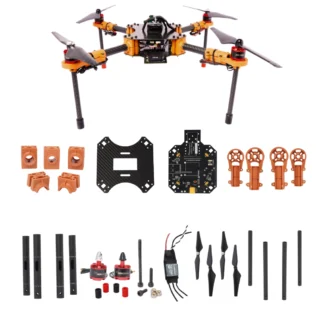
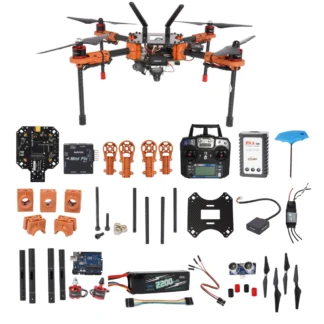
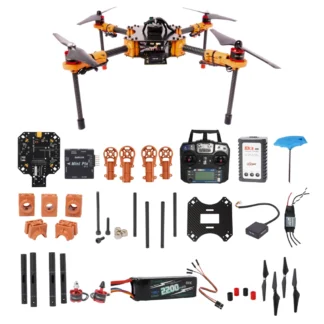
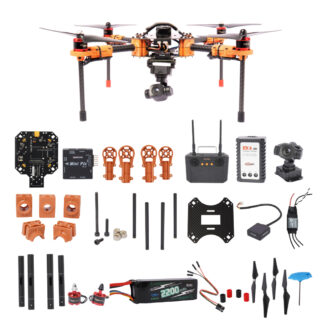
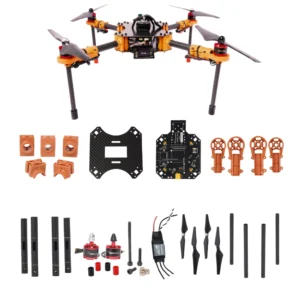
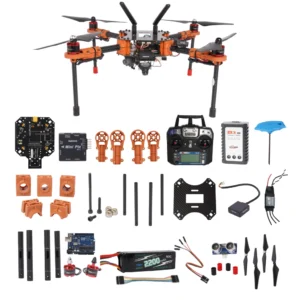
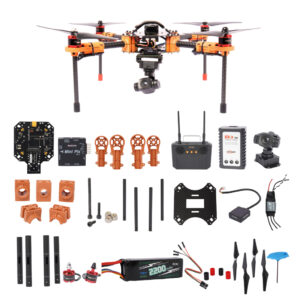
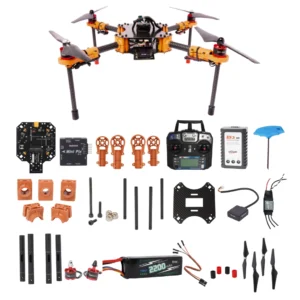
Drone on Table (DOT) is a powerful, lab-ready drone training and simulation platform where all real drone components are mounted on a secure flat board instead of a flying frame. Motors spin, sensors respond, telemetry streams live data but the drone stays safely grounded.

It's not a virtual simulator. It's a real drone system, engineered for safe hands-on learning, hardware debugging, R&D prototyping, and UAV education.

Perfect For

  • UAV Training Labs
  • Engineering Colleges
  • Drone Internships
  • R&D Prototyping
  • Hardware & Firmware Testing
  • Sensor Integration Practice

With DOT, students and engineers can safely perform calibration, configuration, telemetry setup, sensor testing, motor checks, and full system debugging all using industry-standard ground control software like Mission Planner and QGroundControl.

Why Drone on Table (DOT)?

  1. Real Components, Real Data & Zero Crash Risk
    Motors rotate, GPS locks, LiDAR measures altitude, telemetry streams live data but the drone remains fixed.
  2. Complete Signal Flow Understanding
    Battery → PCB → ESC → Motor
    RC → Flight Controller → PWM → ESC
    GPS → FC → GCS
    Telemetry → Laptop
    You see everything working in real-time.
  3. Safe for Beginners
    No propeller risk. No uncontrolled takeoff. Perfect for first-time UAV learners.
  4. Built for Research & Prototyping
    Supports: External sensors, Companion computers, GPIO expansion, Payload release mechanisms, Camera integration.

What You Can Learn with DOT

  • Arming & Disarming logic
  • TX–RX binding
  • ESC calibration
  • Motor rotation verification
  • Radio calibration
  • GPS configuration
  • LiDAR & Ultrasonic rangefinding
  • Telemetry setup
  • Flight log analysis
  • Camera feed integration
  • Payload release mechanism testing

DOT transforms drone learning from theory into practical experience.

System Architecture Overview

Drone on Table includes:

  • Flight Controller (MiniPix V1.2)
  • 4× RS2212 920KV BLDC Motors
  • 4× 20A Electronic Speed Controllers
  • Power Distribution PCB
  • GPS + Compass Module
  • Telemetry Module
  • LiDAR Sensor
  • Ultrasonic Sensor
  • RC Transmitter & Receiver
  • Buzzer & Safety Switch
  • Servo Release Mechanism
  • 12V XT30 Bench Power Adapter Support

Technical Specifications

1. Flight Controller – MiniPix V1.2

  • Processor: STM32F405VGT6 (32-bit)
  • Gyroscope & Accelerometer: MPU6500
  • Compass: VCM5883L
  • Barometer: LPS22HB
  • PWM Outputs: 6 (OneShot/DSHOT/PWM)
  • UART Ports: 2 MAVLink, 1 GPS
  • I2C Ports: 3
  • Input Signals: PPM / SBUS / CRSF
  • Operating Temperature: -30°C to 85°C
  • Weight: 15g
  • Dimensions: 39 × 39 × 12 mm

Key Functions: Attitude Stabilization, Sensor Fusion (IMU + GPS), Waypoint Navigation, Failsafe Handling, GCS Communication.

2. Power Module

  • Input Voltage: 2–12S
  • Max Detection Current: 90A
  • BEC Output: 5.3V ±0.2V
  • BEC Current: 2A

3. BLDC Motors – RS2212 920KV

  • Type: Brushless DC
  • KV Rating: 920KV
  • Thrust: ~500g per motor
  • Weight: ~60g
  • Shaft Diameter: 6mm
  • Rotation: CW & CCW variants

4. Electronic Speed Controller (20A)

  • Continuous Current: 20A
  • Peak Current: 30A
  • Battery Support: 3–4S LiPo
  • Frequency: Up to 621Hz
  • Programmable Timing: Yes

5. Power Distribution PCB

  • MR30 high-current connectors
  • Dedicated 5V regulated rails
  • 3 LED power indicators
  • Raspberry Pi support
  • GPIO expansion pins
  • Secure XT30 battery input

Designed for clean power routing and lab safety.

6. RC Transmitter & Receiver (FS-i6 System)

  • Frequency: 2.4 GHz
  • Channels: 6
  • Protocols: SBUS / PPM / iBUS
  • Range: 1–3 km (training environment)
  • Controls: Throttle, Roll, Pitch, Yaw, Flight modes, Auxiliary switches

7. Telemetry Module

  • Frequency Options: 433 / 915 MHz
  • Range: 500m – 2km
  • Protocol: MAVLink
  • Baud Rate: 57600+
  • Antenna: SMA
  • Enables: Live battery monitoring, GPS tracking, Parameter tuning, Mission uploads, Log downloads

8. GPS Module – Radiolink TS100

  • Positional Accuracy: 50cm (triple mode), 2.5m (single mode)
  • Update Rate: 10Hz
  • Velocity Precision: 0.1 m/s
  • Max Height: 50,000m
  • Operating Voltage: 5V
  • Compass Included: Yes

9. Mini LiDAR Sensor

  • Function: Laser-based distance measurement
  • Interface: UART / I²C / PWM
  • Voltage: 5V
  • Applications: Precision landing, Low-altitude sensing, Obstacle detection

10. Ultrasonic Sensor (HC-SR04)

  • Range: 2 cm – 4 m
  • Accuracy: ±3 mm
  • Voltage: 5V
  • Interface: Trigger / Echo

Ideal for indoor & short-range measurement.

11. Buzzer & Safety Switch

  • Voltage: 5V
  • Sound Level: ~85 dB
  • Functions: Arming indication, Low battery alert, Failsafe warning, Debug signals

12. Servo Release Mechanism

  • Servo-driven payload latch
  • Mechanical locking system
  • RC or FC triggered
  • Ideal for training payload operations

13. 12V Input Adapter (XT30)

  • Output: 12V DC
  • Connector: XT30
  • Use Case: Indoor testing, Lab experiments, Battery-free debugging

Safety-First Design

  • Propeller-free testing
  • Secure mounting
  • Reverse polarity protection
  • LED power diagnostics
  • Controlled motor output
  • Regulated voltage rails

DOT eliminates crash risk while preserving full system behavior.

Ideal For

  • Engineering Colleges
  • Drone Training Institutes
  • UAV R&D Labs
  • Robotics Clubs
  • Internship Programs
  • Defense & Aerospace Training Units
Description

Drone on Table (DOT) – The Ultimate Real-World Drone Training & Testing Platform

Learn. Test. Debug. Innovate. All Without Taking Off.

Drone on Table (DOT) is a powerful, lab-ready drone training and simulation platform where all real drone components are mounted on a secure flat board instead of a flying frame. Motors spin, sensors respond, telemetry streams live data but the drone stays safely grounded.

It’s not a virtual simulator. It’s a real drone system, engineered for safe hands-on learning, hardware debugging, R&D prototyping, and UAV education.

Perfect For

  • UAV Training Labs
  • Engineering Colleges
  • Drone Internships
  • R&D Prototyping
  • Hardware & Firmware Testing
  • Sensor Integration Practice

With DOT, students and engineers can safely perform calibration, configuration, telemetry setup, sensor testing, motor checks, and full system debugging all using industry-standard ground control software like Mission Planner and QGroundControl.

Why Drone on Table (DOT)?

  1. Real Components, Real Data & Zero Crash Risk
    Motors rotate, GPS locks, LiDAR measures altitude, telemetry streams live data but the drone remains fixed.
  2. Complete Signal Flow Understanding
    Battery → PCB → ESC → Motor
    RC → Flight Controller → PWM → ESC
    GPS → FC → GCS
    Telemetry → Laptop
    You see everything working in real-time.
  3. Safe for Beginners
    No propeller risk. No uncontrolled takeoff. Perfect for first-time UAV learners.
  4. Built for Research & Prototyping
    Supports: External sensors, Companion computers, GPIO expansion, Payload release mechanisms, Camera integration.

What You Can Learn with DOT

  • Arming & Disarming logic
  • TX–RX binding
  • ESC calibration
  • Motor rotation verification
  • Radio calibration
  • GPS configuration
  • LiDAR & Ultrasonic rangefinding
  • Telemetry setup
  • Flight log analysis
  • Camera feed integration
  • Payload release mechanism testing

DOT transforms drone learning from theory into practical experience.

System Architecture Overview

Drone on Table includes:

  • Flight Controller (MiniPix V1.2)
  • 4× RS2212 920KV BLDC Motors
  • 4× 20A Electronic Speed Controllers
  • Power Distribution PCB
  • GPS + Compass Module
  • Telemetry Module
  • LiDAR Sensor
  • Ultrasonic Sensor
  • RC Transmitter & Receiver
  • Buzzer & Safety Switch
  • Servo Release Mechanism
  • 12V XT30 Bench Power Adapter Support

Technical Specifications

1. Flight Controller – MiniPix V1.2

  • Processor: STM32F405VGT6 (32-bit)
  • Gyroscope & Accelerometer: MPU6500
  • Compass: VCM5883L
  • Barometer: LPS22HB
  • PWM Outputs: 6 (OneShot/DSHOT/PWM)
  • UART Ports: 2 MAVLink, 1 GPS
  • I2C Ports: 3
  • Input Signals: PPM / SBUS / CRSF
  • Operating Temperature: -30°C to 85°C
  • Weight: 15g
  • Dimensions: 39 × 39 × 12 mm

Key Functions: Attitude Stabilization, Sensor Fusion (IMU + GPS), Waypoint Navigation, Failsafe Handling, GCS Communication.

2. Power Module

  • Input Voltage: 2–12S
  • Max Detection Current: 90A
  • BEC Output: 5.3V ±0.2V
  • BEC Current: 2A

3. BLDC Motors – RS2212 920KV

  • Type: Brushless DC
  • KV Rating: 920KV
  • Thrust: ~500g per motor
  • Weight: ~60g
  • Shaft Diameter: 6mm
  • Rotation: CW & CCW variants

4. Electronic Speed Controller (20A)

  • Continuous Current: 20A
  • Peak Current: 30A
  • Battery Support: 3–4S LiPo
  • Frequency: Up to 621Hz
  • Programmable Timing: Yes

5. Power Distribution PCB

  • MR30 high-current connectors
  • Dedicated 5V regulated rails
  • 3 LED power indicators
  • Raspberry Pi support
  • GPIO expansion pins
  • Secure XT30 battery input

Designed for clean power routing and lab safety.

6. RC Transmitter & Receiver (FS-i6 System)

  • Frequency: 2.4 GHz
  • Channels: 6
  • Protocols: SBUS / PPM / iBUS
  • Range: 1–3 km (training environment)
  • Controls: Throttle, Roll, Pitch, Yaw, Flight modes, Auxiliary switches

7. Telemetry Module

  • Frequency Options: 433 / 915 MHz
  • Range: 500m – 2km
  • Protocol: MAVLink
  • Baud Rate: 57600+
  • Antenna: SMA
  • Enables: Live battery monitoring, GPS tracking, Parameter tuning, Mission uploads, Log downloads

8. GPS Module – Radiolink TS100

  • Positional Accuracy: 50cm (triple mode), 2.5m (single mode)
  • Update Rate: 10Hz
  • Velocity Precision: 0.1 m/s
  • Max Height: 50,000m
  • Operating Voltage: 5V
  • Compass Included: Yes

9. Mini LiDAR Sensor

  • Function: Laser-based distance measurement
  • Interface: UART / I²C / PWM
  • Voltage: 5V
  • Applications: Precision landing, Low-altitude sensing, Obstacle detection

10. Ultrasonic Sensor (HC-SR04)

  • Range: 2 cm – 4 m
  • Accuracy: ±3 mm
  • Voltage: 5V
  • Interface: Trigger / Echo

Ideal for indoor & short-range measurement.

11. Buzzer & Safety Switch

  • Voltage: 5V
  • Sound Level: ~85 dB
  • Functions: Arming indication, Low battery alert, Failsafe warning, Debug signals

12. Servo Release Mechanism

  • Servo-driven payload latch
  • Mechanical locking system
  • RC or FC triggered
  • Ideal for training payload operations

13. 12V Input Adapter (XT30)

  • Output: 12V DC
  • Connector: XT30
  • Use Case: Indoor testing, Lab experiments, Battery-free debugging

Safety-First Design

  • Propeller-free testing
  • Secure mounting
  • Reverse polarity protection
  • LED power diagnostics
  • Controlled motor output
  • Regulated voltage rails

DOT eliminates crash risk while preserving full system behavior.

Ideal For

  • Engineering Colleges
  • Drone Training Institutes
  • UAV R&D Labs
  • Robotics Clubs
  • Internship Programs
  • Defense & Aerospace Training Units
Reviews

There are no reviews yet.

Only logged in customers who have purchased this product may leave a review.

Description

Drone on Table (DOT) – The Ultimate Real-World Drone Training & Testing Platform

Learn. Test. Debug. Innovate. All Without Taking Off.

Drone on Table (DOT) is a powerful, lab-ready drone training and simulation platform where all real drone components are mounted on a secure flat board instead of a flying frame. Motors spin, sensors respond, telemetry streams live data but the drone stays safely grounded.

It’s not a virtual simulator. It’s a real drone system, engineered for safe hands-on learning, hardware debugging, R&D prototyping, and UAV education.

Perfect For

  • UAV Training Labs
  • Engineering Colleges
  • Drone Internships
  • R&D Prototyping
  • Hardware & Firmware Testing
  • Sensor Integration Practice

With DOT, students and engineers can safely perform calibration, configuration, telemetry setup, sensor testing, motor checks, and full system debugging all using industry-standard ground control software like Mission Planner and QGroundControl.

Why Drone on Table (DOT)?

  1. Real Components, Real Data & Zero Crash Risk
    Motors rotate, GPS locks, LiDAR measures altitude, telemetry streams live data but the drone remains fixed.
  2. Complete Signal Flow Understanding
    Battery → PCB → ESC → Motor
    RC → Flight Controller → PWM → ESC
    GPS → FC → GCS
    Telemetry → Laptop
    You see everything working in real-time.
  3. Safe for Beginners
    No propeller risk. No uncontrolled takeoff. Perfect for first-time UAV learners.
  4. Built for Research & Prototyping
    Supports: External sensors, Companion computers, GPIO expansion, Payload release mechanisms, Camera integration.

What You Can Learn with DOT

  • Arming & Disarming logic
  • TX–RX binding
  • ESC calibration
  • Motor rotation verification
  • Radio calibration
  • GPS configuration
  • LiDAR & Ultrasonic rangefinding
  • Telemetry setup
  • Flight log analysis
  • Camera feed integration
  • Payload release mechanism testing

DOT transforms drone learning from theory into practical experience.

System Architecture Overview

Drone on Table includes:

  • Flight Controller (MiniPix V1.2)
  • 4× RS2212 920KV BLDC Motors
  • 4× 20A Electronic Speed Controllers
  • Power Distribution PCB
  • GPS + Compass Module
  • Telemetry Module
  • LiDAR Sensor
  • Ultrasonic Sensor
  • RC Transmitter & Receiver
  • Buzzer & Safety Switch
  • Servo Release Mechanism
  • 12V XT30 Bench Power Adapter Support

Technical Specifications

1. Flight Controller – MiniPix V1.2

  • Processor: STM32F405VGT6 (32-bit)
  • Gyroscope & Accelerometer: MPU6500
  • Compass: VCM5883L
  • Barometer: LPS22HB
  • PWM Outputs: 6 (OneShot/DSHOT/PWM)
  • UART Ports: 2 MAVLink, 1 GPS
  • I2C Ports: 3
  • Input Signals: PPM / SBUS / CRSF
  • Operating Temperature: -30°C to 85°C
  • Weight: 15g
  • Dimensions: 39 × 39 × 12 mm

Key Functions: Attitude Stabilization, Sensor Fusion (IMU + GPS), Waypoint Navigation, Failsafe Handling, GCS Communication.

2. Power Module

  • Input Voltage: 2–12S
  • Max Detection Current: 90A
  • BEC Output: 5.3V ±0.2V
  • BEC Current: 2A

3. BLDC Motors – RS2212 920KV

  • Type: Brushless DC
  • KV Rating: 920KV
  • Thrust: ~500g per motor
  • Weight: ~60g
  • Shaft Diameter: 6mm
  • Rotation: CW & CCW variants

4. Electronic Speed Controller (20A)

  • Continuous Current: 20A
  • Peak Current: 30A
  • Battery Support: 3–4S LiPo
  • Frequency: Up to 621Hz
  • Programmable Timing: Yes

5. Power Distribution PCB

  • MR30 high-current connectors
  • Dedicated 5V regulated rails
  • 3 LED power indicators
  • Raspberry Pi support
  • GPIO expansion pins
  • Secure XT30 battery input

Designed for clean power routing and lab safety.

6. RC Transmitter & Receiver (FS-i6 System)

  • Frequency: 2.4 GHz
  • Channels: 6
  • Protocols: SBUS / PPM / iBUS
  • Range: 1–3 km (training environment)
  • Controls: Throttle, Roll, Pitch, Yaw, Flight modes, Auxiliary switches

7. Telemetry Module

  • Frequency Options: 433 / 915 MHz
  • Range: 500m – 2km
  • Protocol: MAVLink
  • Baud Rate: 57600+
  • Antenna: SMA
  • Enables: Live battery monitoring, GPS tracking, Parameter tuning, Mission uploads, Log downloads

8. GPS Module – Radiolink TS100

  • Positional Accuracy: 50cm (triple mode), 2.5m (single mode)
  • Update Rate: 10Hz
  • Velocity Precision: 0.1 m/s
  • Max Height: 50,000m
  • Operating Voltage: 5V
  • Compass Included: Yes

9. Mini LiDAR Sensor

  • Function: Laser-based distance measurement
  • Interface: UART / I²C / PWM
  • Voltage: 5V
  • Applications: Precision landing, Low-altitude sensing, Obstacle detection

10. Ultrasonic Sensor (HC-SR04)

  • Range: 2 cm – 4 m
  • Accuracy: ±3 mm
  • Voltage: 5V
  • Interface: Trigger / Echo

Ideal for indoor & short-range measurement.

11. Buzzer & Safety Switch

  • Voltage: 5V
  • Sound Level: ~85 dB
  • Functions: Arming indication, Low battery alert, Failsafe warning, Debug signals

12. Servo Release Mechanism

  • Servo-driven payload latch
  • Mechanical locking system
  • RC or FC triggered
  • Ideal for training payload operations

13. 12V Input Adapter (XT30)

  • Output: 12V DC
  • Connector: XT30
  • Use Case: Indoor testing, Lab experiments, Battery-free debugging

Safety-First Design

  • Propeller-free testing
  • Secure mounting
  • Reverse polarity protection
  • LED power diagnostics
  • Controlled motor output
  • Regulated voltage rails

DOT eliminates crash risk while preserving full system behavior.

Ideal For

  • Engineering Colleges
  • Drone Training Institutes
  • UAV R&D Labs
  • Robotics Clubs
  • Internship Programs
  • Defense & Aerospace Training Units
Reviews

There are no reviews yet.

Only logged in customers who have purchased this product may leave a review.

No FAQs available for this product.